

Location
Doha, Qatar
Client
National Museum of Qatar / BGL Audiovisual
System
150x Beeblade Pluto, 30x Beeblade Minima, 14x Beehive
Sector
Immersive Exhibition
6 July 2026
National Museum of Qatar
Over 170 Beeblade media engines drive 112 Panasonic 4K projectors at the National Museum of Qatar – processing 21 billion pixels a second to bring the country’s history to life across nine immersive galleries.
A national story told at cinematic scale
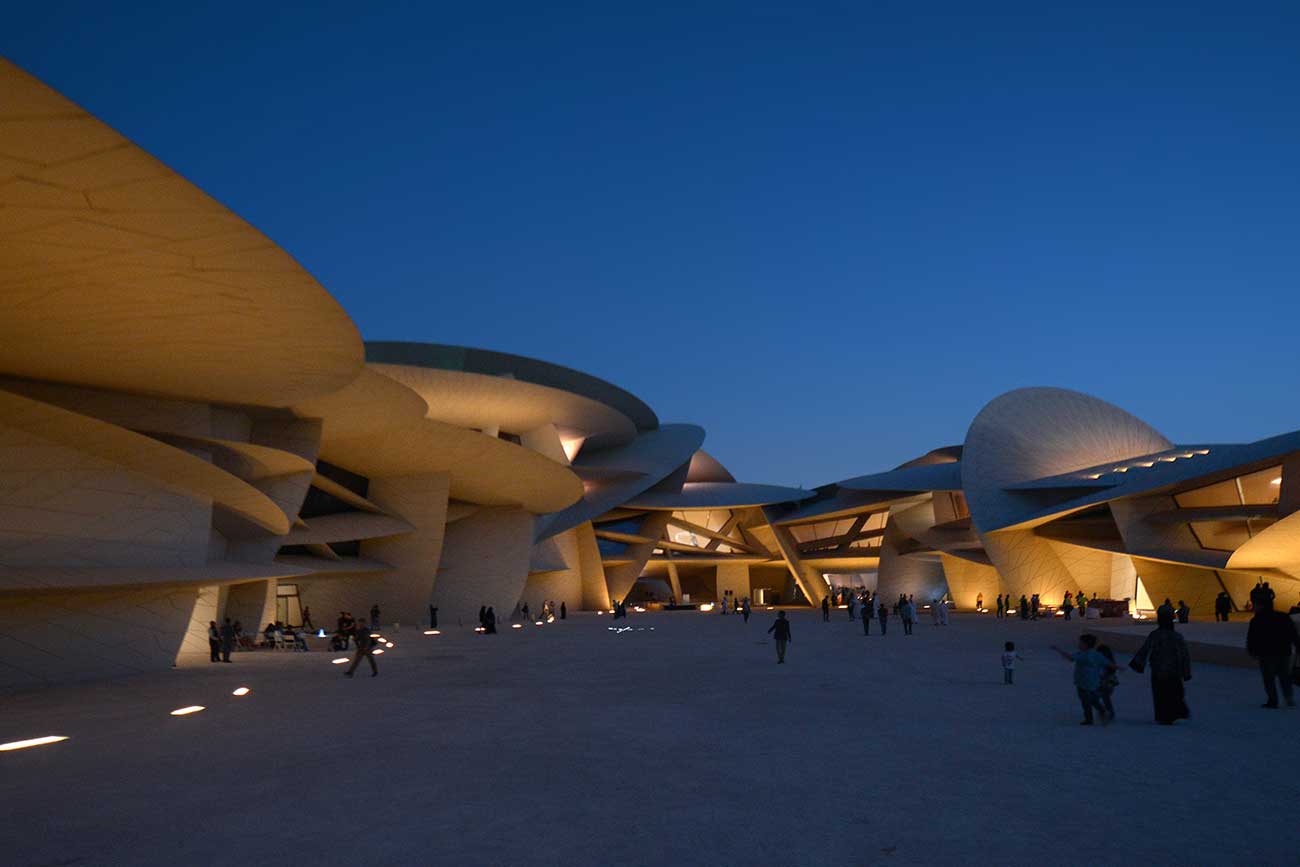
In the heart of Doha, the National Museum of Qatar (NMoQ) stands as one of the most architecturally striking museums in the world. Designed by Pritzker Prize–winning architect Jean Nouvel, the desert-rose-inspired building houses a sequence of immersive galleries that guide visitors through the story of Qatar – from prehistoric landscapes to the nation’s future ambitions.
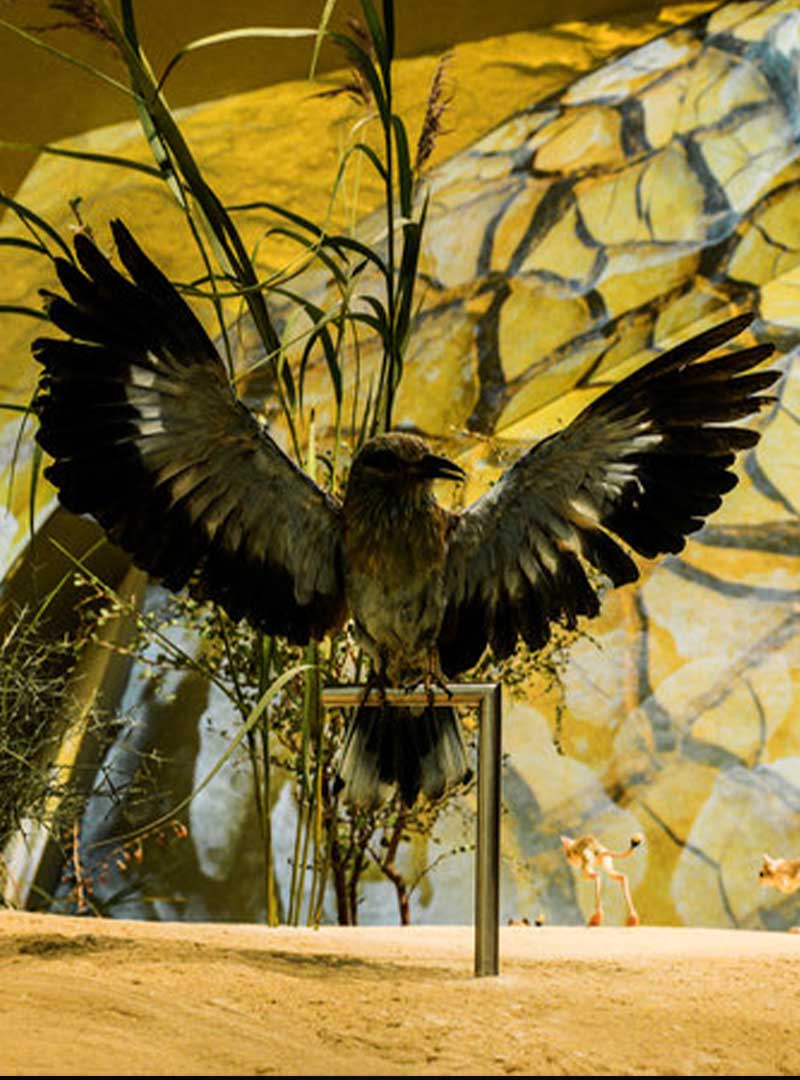
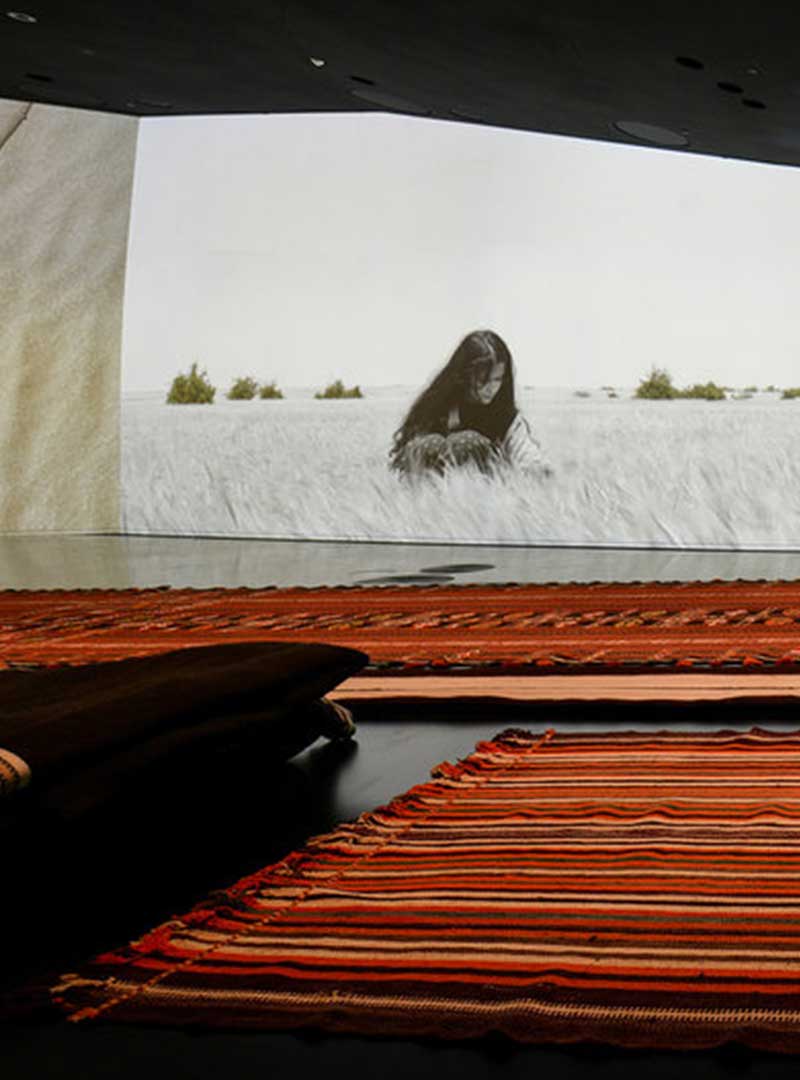
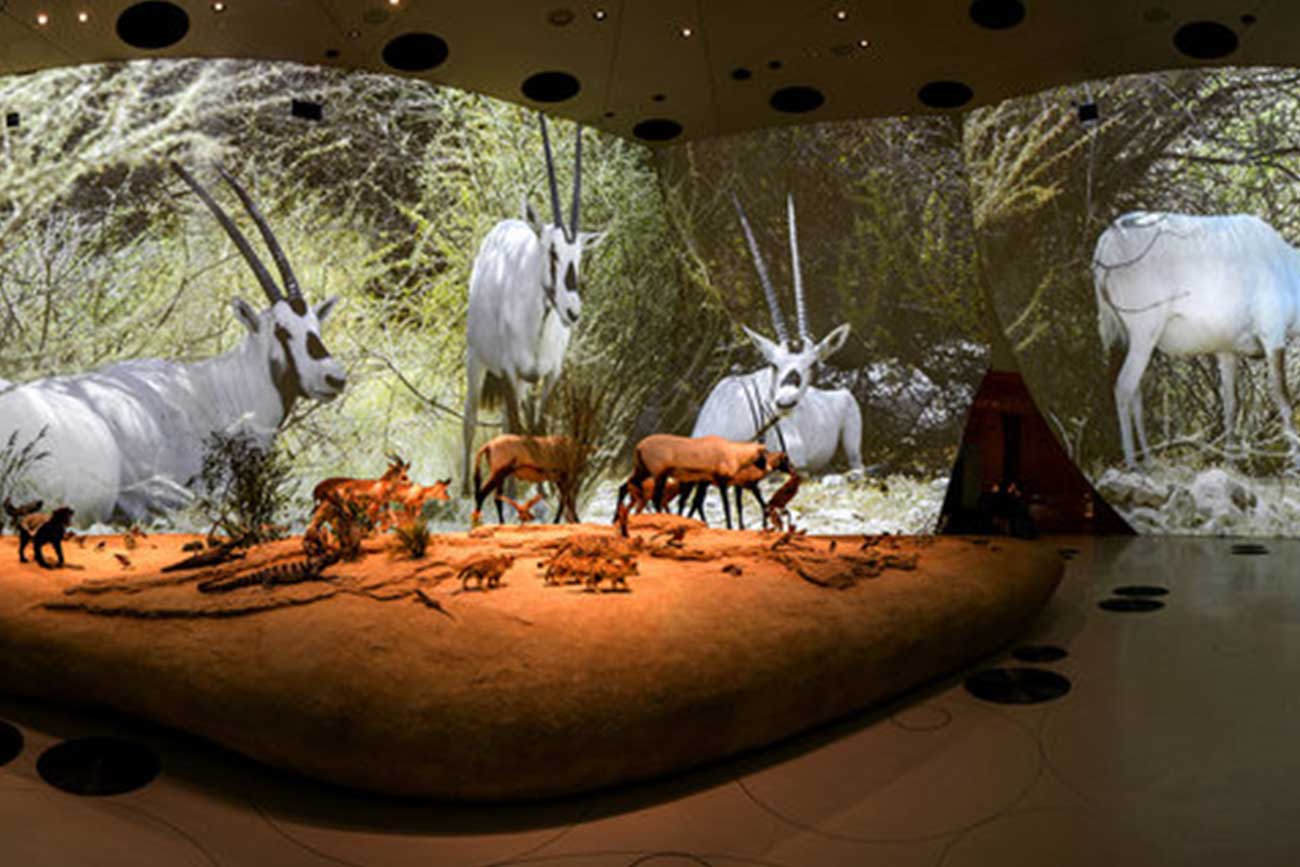
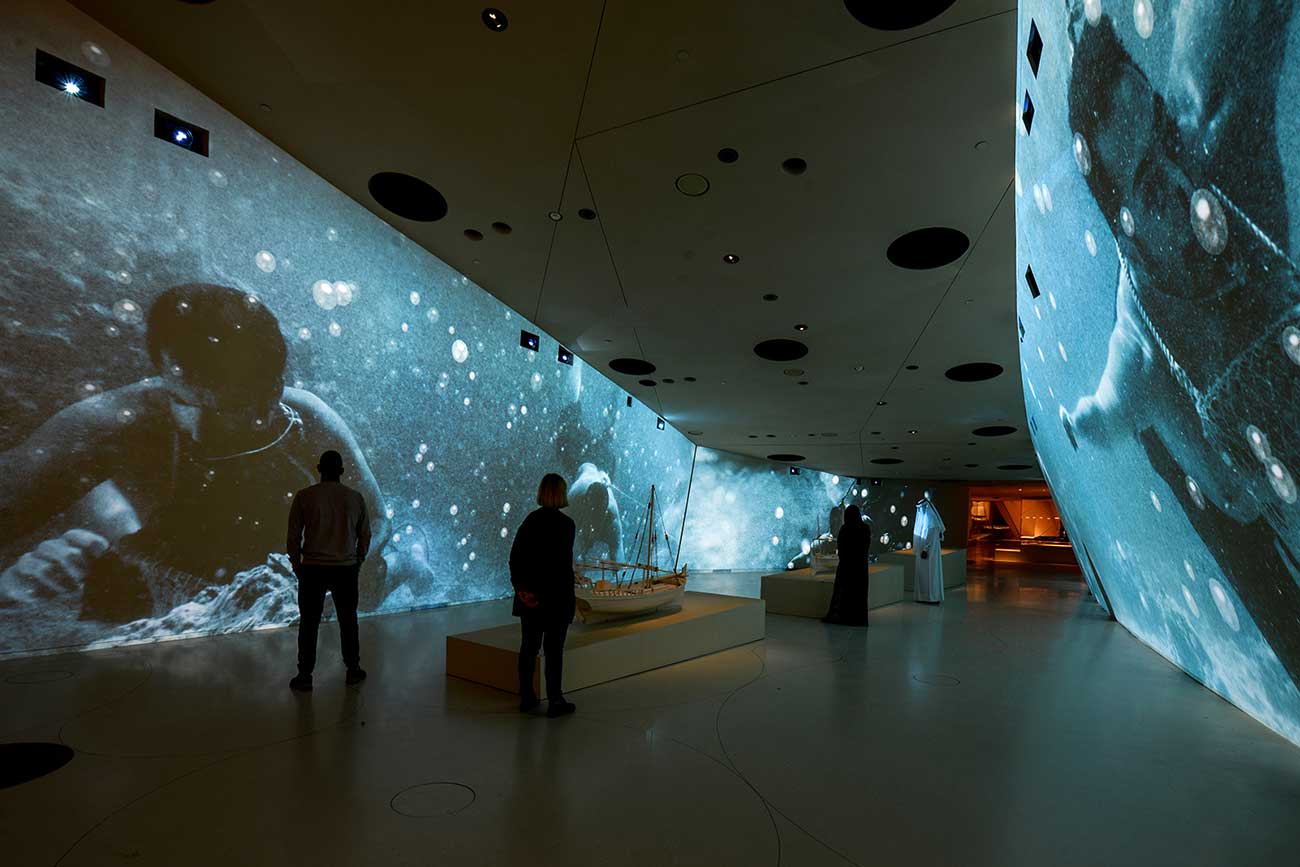
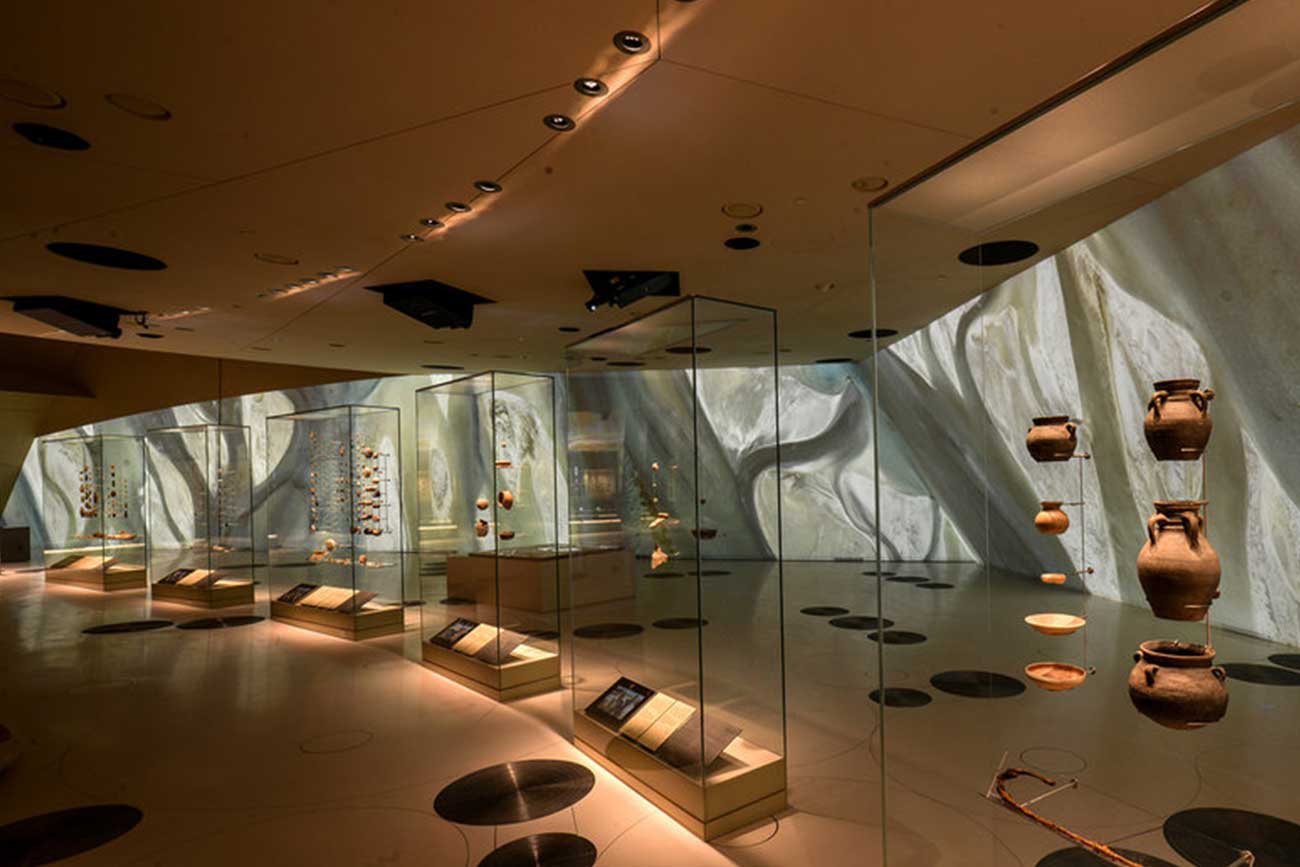
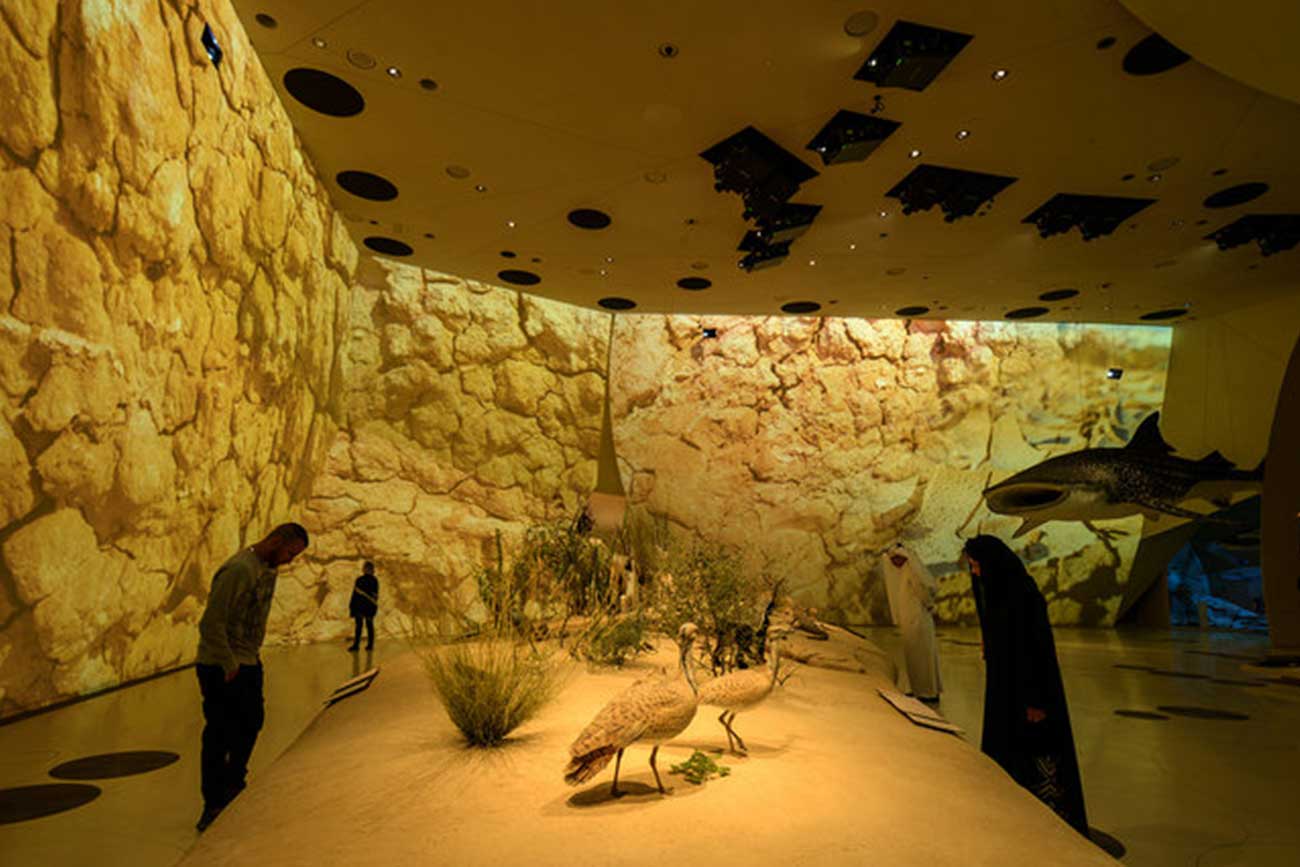
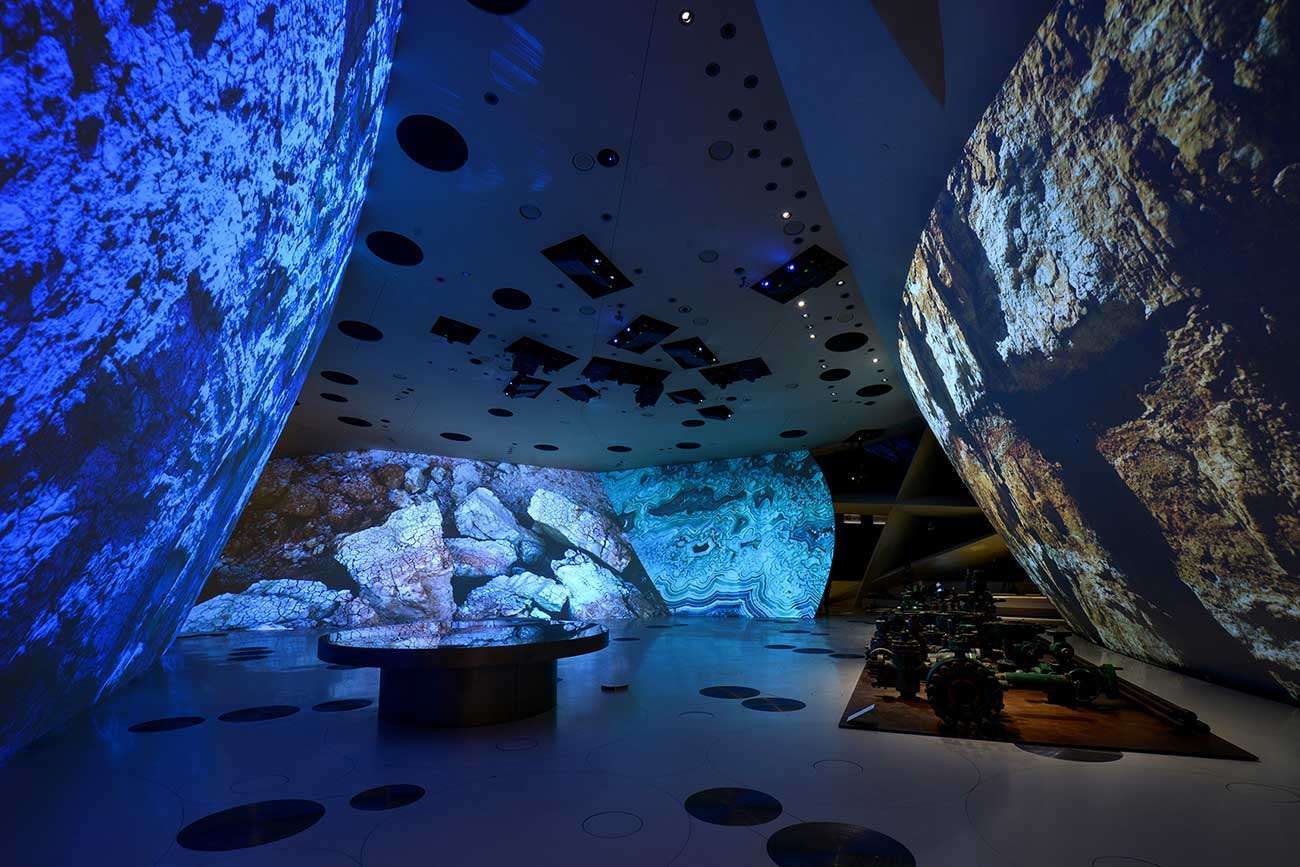
Central to this experience are monumental projection environments where cinematic films unfold across curved architectural surfaces, seamlessly integrated with artefacts and exhibition design.
To power this ambitious installation, the museum deployed HIVE’s media server platform, creating one of the largest Beeblade deployments to date. Across the site, 172 Beeblade media engines process more than 21 billion pixels of visual content per second, driving 112 Panasonic 4K projectors across nine galleries.
“HIVE’s media servers proved to be an outstanding solution for a project of this scale and complexity. The platform is intuitive to operate, integrates seamlessly with the wider AV architecture, and delivered significant rack space and installation efficiencies.
What stood out most was HIVE’s collaborative, solutions-driven approach. Large-scale permanent projection environments inevitably present technical challenges, and the team consistently worked alongside us to find practical and reliable solutions throughout the project.”
Pedro Jiménez Train – Operations Manager, Secuoya QFC & BGL audiovisual
Projection mapping on a monumental canvas
The museum’s immersive galleries present a chronological journey through Qatar’s history.
Visitors begin with prehistoric landscapes and the geological origins of the region, before moving through early settlements, the pearl-diving economy and the discovery of oil and natural gas. The final galleries explore the country’s rapid development and future ambitions.
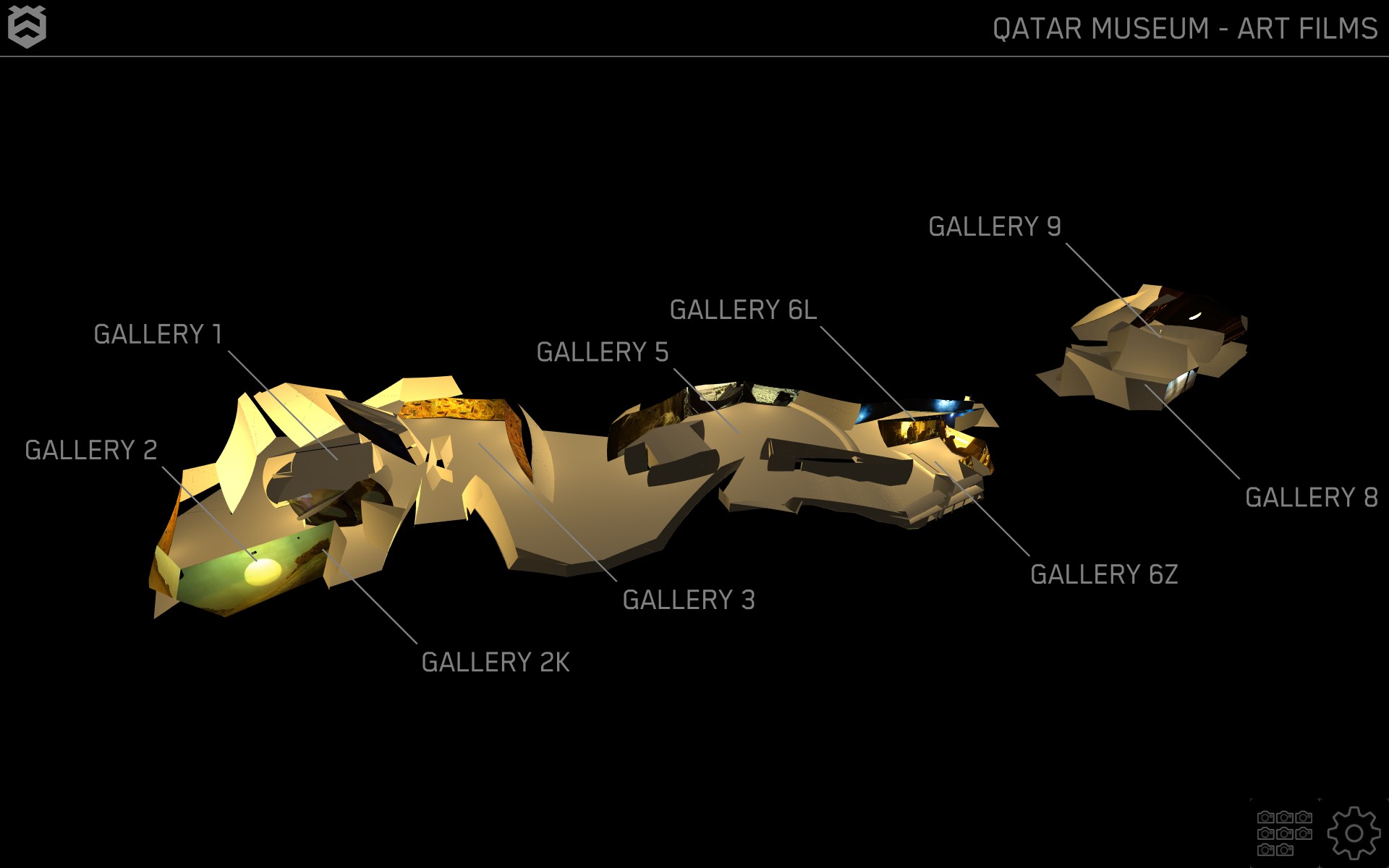
Each space combines projected films with artefacts and exhibition design to create a unified storytelling environment.
Unlike many projection-mapped experiences, visitors can approach the projected surfaces directly. This means image quality must remain flawless at both close and long viewing distances – placing exceptional demands on the visual system.
“The technical quality of their work is beyond reproach. But what really separates HIVE from everyone else is their ‘can do’ attitude to solving problems – in this case it was more like ‘whatever it takes, we’ll solve it’. HIVE provided by far the best solution both in image quality and creative support for the project.”
Dean Winkler, Winkler Consultancy NYC / Technical Director Art Films, DFI
Technology designed for scale and performance
At the heart of the system is a large-scale HIVE playback architecture built around Beeblade Pluto and Beeblade Minima media engines, housed within multiple Beehive enclosures distributed across the museum.
The platform delivers 8K 10-bit HEVC playback, projection mapping and site-wide scheduling, ensuring synchronised playback across all galleries.
Of the 172 media engines deployed:
• 150 Beeblade Pluto units handle primary 8K media playback
• 30 Beeblade Minima units manage monitoring, control and mapping processes
• 112 active outputs drive the projection system, with additional units providing redundancy
Projection alignment and blending are handled using VIOSO software, while the Minima units also monitor system health and provide system-wide reporting to a central control room.
The films themselves – captured largely in 8K using multi-rig RED cameras – are projected at immense scale with remarkable clarity, precisely mapped to the museum’s dynamically curving gallery walls.
Built for reliability and long-term operation
As a permanent cultural installation operating 8-10 hours per day, seven days per week, reliability and operational simplicity were critical.
The HIVE platform allows the system to be centrally managed and remotely accessed, dramatically simplifying day-to-day operation for museum staff while maintaining the performance required for a large-scale immersive environment.
“HIVE helped transform what was once considered an extremely complex projection system into something far easier to operate and maintain. From the visitor’s perspective the experience is visually richer than ever, but behind the scenes the technology is simpler and more efficient to manage.”
Mark Calvert, CEO, HIVE
A blueprint for the future of museums
The deployment was delivered in collaboration with BGL Audiovisual, part of Spanish integrator Sequoia, with HIVE supporting system commissioning and calibration across the galleries.
“When the museum opened in 2019, immersive cultural attractions were still relatively rare. Today, immersive experiences are commonplace, but the National Museum of Qatar remains one of the pioneering examples of how technology and storytelling can be combined at scale.”
Anthony Molloy, Division Head MEA at Panasonic Projector & Display
Today the National Museum of Qatar stands as one of the most technologically ambitious immersive museums ever created – combining architecture, storytelling and audiovisual design at an unprecedented scale.
For HIVE, the project represents a major milestone and a powerful reference for immersive cultural installations across the Middle East.
“We were pleased to support HIVE on the National Museum of Qatar project in Doha, delivering an immersive experience powered by 172 players. It was a great collaboration working alongside with Sequoya the system integrator, and we’re proud to have contributed to such a technically ambitious and impactful installation. The project stands as a strong example of how scalable, high-performance solutions can enable large-scale immersive experiences in the region.”
Rami Haber – CEO, PRO LAB
Processing over 21 billion pixels of visual content per second, the system demonstrates how modern media server technology can support the next generation of museum storytelling.
As institutions around the world increasingly adopt immersive exhibition formats, the National Museum of Qatar provides a compelling blueprint for what the museum experience of the future can look like.